Frames of Reference
Acquisitional Frame of Reference in OT: Skill and Role Acquisition with Examples
The acquisitional frame of reference: learning theory, task analysis, chaining, grading, Mosey's role acquisition, worked examples and a quiz.
MOHO, biomechanical, developmental and the models behind practice.
14 articles
The acquisitional frame of reference: learning theory, task analysis, chaining, grading, Mosey's role acquisition, worked examples and a quiz.
The behavioral and cognitive-behavioral frames of reference in OT: ABC analysis, reinforcement, shaping, chaining, CBT techniques, examples and a quiz.
Allen's cognitive disability frame of reference: the 6 cognitive levels, ACLS and RTI assessments, how to adapt tasks at each level, a case and a quiz.
The Kawa model explained: water, river walls, rocks, driftwood and spaces, how to use it with clients, worked examples, and a free Kawa river worksheet.
The motor learning frame of reference: Fitts and Posner's stages, practice schedules, KR vs KP feedback, task-oriented training, CO-OP and evidence.
The NDT (Bobath) frame of reference explained, with Rood, Brunnstrom and PNF sensorimotor approaches, key principles, examples and what the evidence says today.
The Occupational Adaptation model: occupational challenge, press for mastery, adaptive response, relative mastery, assessment, a case example and a quiz.
Occupational therapy models of practice compared: PEO, CMOP-E, PEOP, EHP, MOHO and Kawa, how models differ from frames of reference, with diagrams and examples.
The psychodynamic frame of reference: id, ego, superego, defence mechanisms, object relations, explorative vs supportive approaches, cases and a quiz.
MOHO explained: volition, habituation, performance capacity, environment, the MOHOST and other assessments, Remotivation, MOHO vs PEO and CMOP-E, and a quiz.
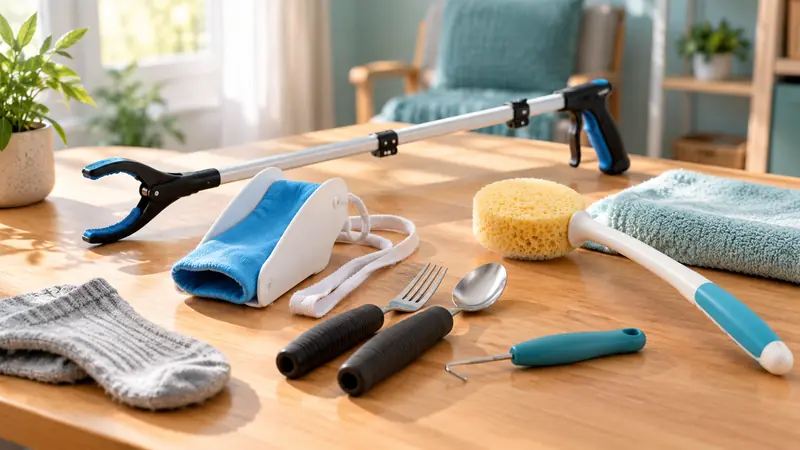
The rehabilitative frame of reference: compensation, assistance levels, adaptive equipment, energy conservation, cases by condition, comparisons and a quiz.
The developmental frame of reference: Llorens' premises, Mosey's adaptive skills, interventions, worked cases, comparisons with other frames, and a quiz.
The biomechanical frame of reference: principles, assessments, grading, pediatric positioning, worked cases, biomechanical vs NDT and rehab, and a quiz.
Every OT frame of reference and model compared: 15 frames, 6 models, Mosey's 5 parts, which frame for which setting, a worked case, quiz and free PDF.